


Rodent Control Issues Every Tucson, AZ Property Hunter Should Know
House hunting in Tucson is an exciting journey filled with stunning desert views, vibrant neighborhoods, and unique Southwestern architecture. But before you fall in love with that charming adobe-style home or modern desert retreat, there’s one critical issue every property hunter needs to investigate: rodent activity. The Old Pueblo’s warm climate and desert ecosystem create the perfect conditions for mice, rats, and pack rats to thrive year-round, and these unwelcome guests can turn your dream home into a costly nightmare if you’re not careful.
Why Tucson Homes Are Particularly Vulnerable to Rodents
Tucson’s position in the Sonoran Desert means we share our space with wildlife adapted to survive in harsh conditions. Pack rats, roof rats, and house mice don’t just live in the desert—they actively seek out human structures for shelter, water, and food. Unlike cities with freezing winters that provide a natural population control, our mild temperatures allow rodents to breed continuously throughout the year.
The monsoon season, typically running from June through September, drives rodents indoors as they search for dry shelter and reliable food sources. During these months, even well-maintained properties can experience increased rodent pressure. This is precisely why consulting with Tucson Rodent Control professionals before finalizing a property purchase can save you thousands in repairs and remediation costs down the line.
Our desert landscaping practices also contribute to the problem. Rock gardens, decorative boulders, woodpiles, and dense vegetation like bougainvillea and oleander provide perfect hiding spots and nesting areas for rodents. Many Tucson homes feature these elements, making pre-purchase rodent inspections absolutely essential.
Warning Signs Every Property Hunter Should Look For
Exterior Red Flags
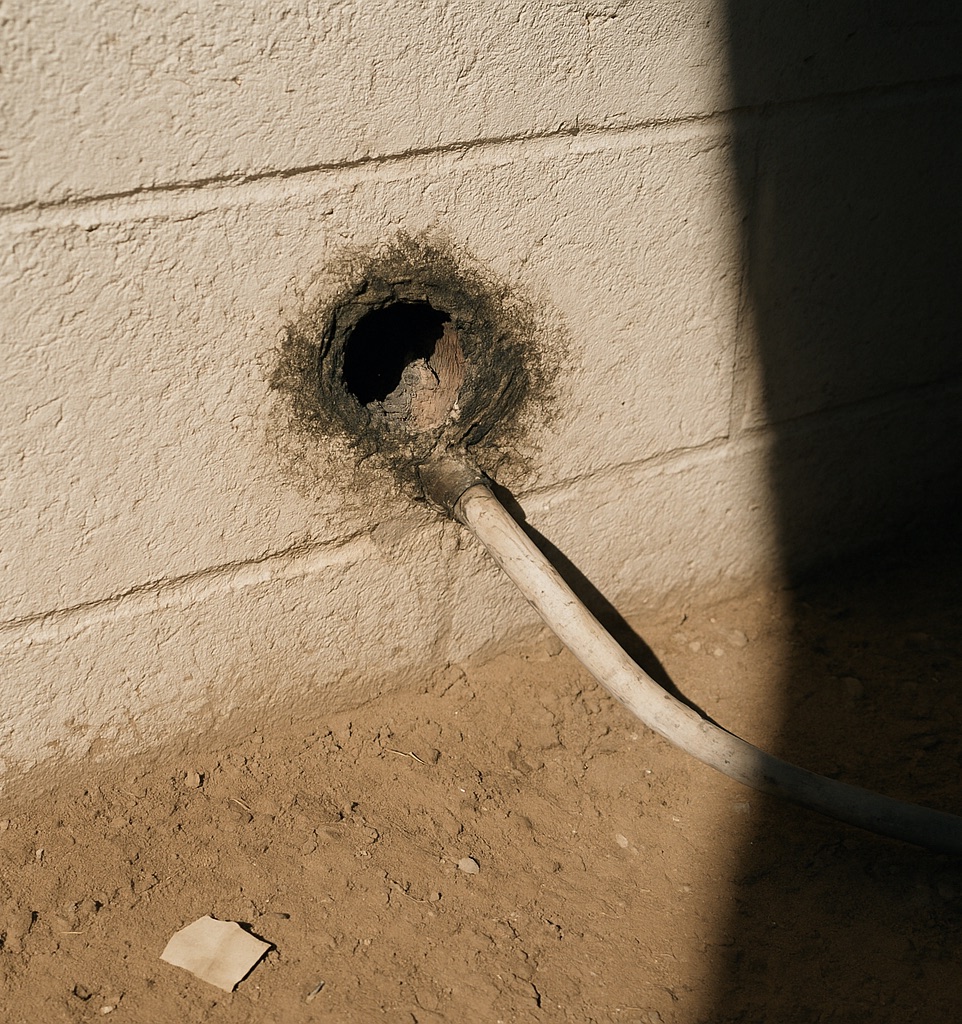
When touring potential properties, start your inspection outside. Look for gaps around utility penetrations where pipes, electrical lines, and cables enter the home. Rodents can squeeze through openings as small as a quarter, so even minor gaps represent entry points.
Check the roof line carefully. Pack rats are excellent climbers and frequently nest in attics, particularly in homes with clay tile roofs common throughout Tucson. Look for damaged or displaced tiles, gaps in soffits, and missing vent screens. These are all invitations for roof rats and pack rats.
Examine the foundation and walls for gnaw marks on wood, stucco, or foam insulation. Fresh gnaw marks appear lighter in color, while older damage shows weathering. Pay special attention to garage doors—the gap beneath them is a common entry point.
Interior Warning Signs
Inside the home, use your nose first. A strong, musky odor, particularly in enclosed spaces like closets, pantries, or the garage, often indicates active rodent presence. This smell comes from urine marking and can permeate walls and insulation.
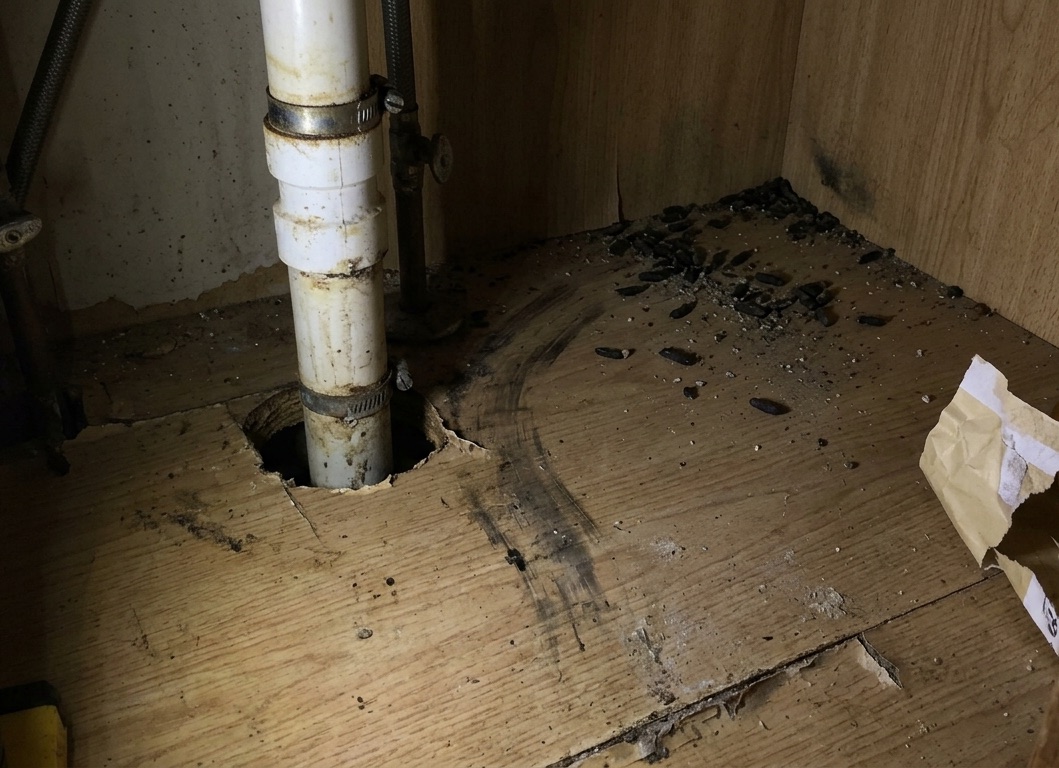
Look for droppings in cabinets, under sinks, in the pantry, and along baseboards. Mouse droppings resemble dark grains of rice, while rat droppings are larger and more cylindrical. Fresh droppings appear dark and moist; old droppings are gray and crumbly.
Check the attic if possible. Pack rat nests are unmistakable—large piles of sticks, cactus pieces, debris, and shiny objects. These nests can weigh several pounds and cause significant damage to insulation, wiring, and stored items.
The Hidden Costs of Rodent Damage
Many property hunters focus on obvious issues like roof condition or HVAC age, but rodent damage can be equally expensive and far more dangerous. Rodents gnaw constantly to keep their teeth from overgrowing, and they don’t discriminate between wood framing and electrical wiring.
Electrical fire risk is a serious concern. Rodents chewing through wire insulation create short circuits and potential fire hazards. Rewiring even a portion of a home can cost thousands of dollars, and insurance companies are increasingly scrutinizing rodent-related claims.
Contaminated insulation is another major expense. Rodent urine and feces saturate attic insulation, creating health hazards and reducing energy efficiency. Complete insulation replacement in a typical Tucson home can run between $2,000 and $5,000 or more, depending on the home’s size and accessibility.
Water damage from gnawed pipes, destroyed HVAC ducting, and structural damage to support beams all represent potential costs that aren’t immediately visible during a standard home inspection.
Protecting Your Investment Before You Buy
Include Rodent Inspection in Your Due Diligence
Don’t rely solely on a general home inspection. While good inspectors will note obvious signs of rodent activity, they may not have the specialized knowledge to identify subtle indicators or assess the full extent of an infestation. Consider hiring a pest control professional for a dedicated rodent inspection as part of your contingency period. According to the National Pest Management Association, professional inspections can identify vulnerabilities that untrained eyes often miss.
Request Seller Disclosure
Arizona law requires sellers to disclose known material facts about a property’s condition. Ask directly about any history of rodent problems, past treatments, and ongoing prevention measures. Review any pest control service records if available.
Negotiate Repairs or Credits
If you discover rodent issues during inspection, you have leverage. Depending on the severity, you can request professional remediation before closing, negotiate a price reduction to cover treatment costs, or ask for a credit at closing to address the problem yourself.
Making Rodent-Resistant Properties a Priority
Some Tucson properties are inherently more resistant to rodent problems than others. Newer construction with proper sealing, homes with concrete tile or metal roofs, and properties with minimal landscaping debris tend to experience fewer issues.
When comparing similar properties, factor in the condition of exclusion points, the presence of existing pest control measures, and the neighborhood’s general maintenance standards. If you are buying to rent the property out, it is worth knowing that Pima County Vector Control investigates rodent complaints in rental housing, so unresolved problems can become your responsibility as the owner. A slightly higher purchase price for a well-sealed, professionally maintained property often proves cheaper than buying a bargain home with hidden rodent problems.
Your Next Steps as a Tucson Property Hunter
Before making an offer on any Tucson property, walk the perimeter with rodent vulnerability in mind. Look up, look down, and look closely at every potential entry point. Ask questions about pest control history, and don’t hesitate to make professional rodent inspection a contingency of your offer.
Remember that in Tucson’s desert environment, the question isn’t whether a property will ever face rodent pressure—it’s whether the property is properly protected against it. By identifying and addressing rodent control issues before you buy, you’ll protect both your investment and your peace of mind for years to come.